
Dry vans and reefers explained — what each protects, how they are priced and how to choose the right one for your products.
The two most common enclosed trailers are the dry van and the refrigerated (reefer) trailer. Choosing correctly protects your product and avoids paying for capability you do not need.
Dry freight
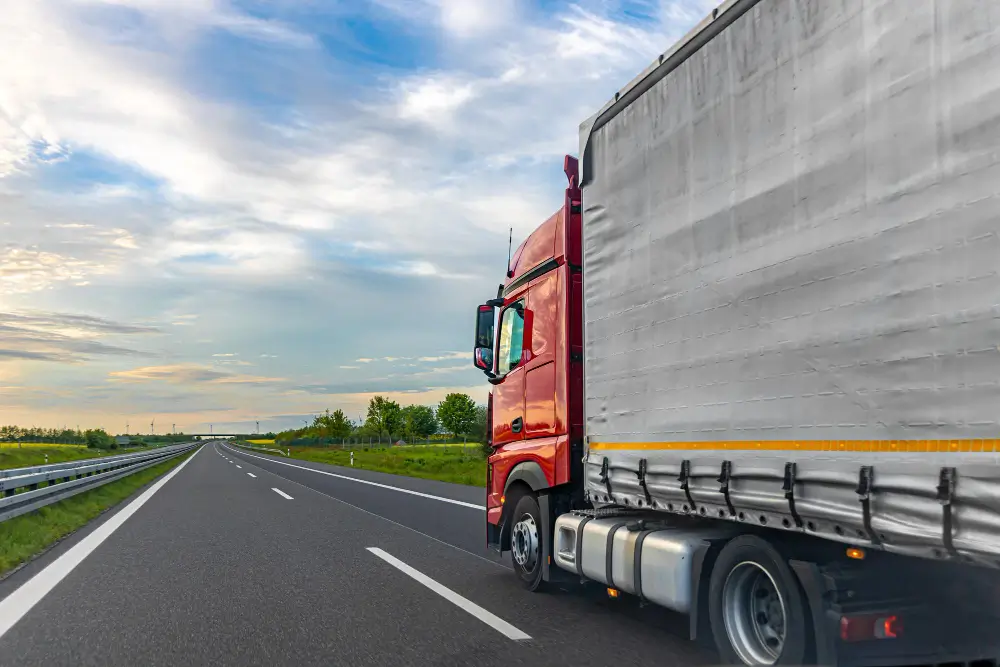
Dry vans carry non-perishable goods that need protection from weather but not temperature control: packaged goods, paper, building products, parts and retail merchandise.
Refrigerated freight
Reefers maintain a set temperature for frozen, chilled or temperature-sensitive products such as food, beverages, flowers and some chemicals.
| Dry van | Reefer | |
|---|---|---|
| Temperature control | No | Yes — frozen to chilled |
| Typical cost | Lower | Higher (unit fuel and equipment) |
| Capacity | Slightly more interior space | Slightly less due to insulation |
| Best for | Shelf-stable goods | Perishable and sensitive goods |

Seasonal considerations
Some dry products — beverages, paints, certain chemicals — need protection from freezing in winter or heat in summer. In those cases a reefer may be used to maintain a protective range.
Compare our dry freight and refrigerated services.
Ready to move your freight?
Get a clear quote for truckload, heavy haul, intermodal or dedicated freight.